
How to Choose a Fiberglass Repair Kit for Auto Body Work
Identify the panel first, then check the resin, hardener, reinforcement and finishing supplies. Two real kit inventories show what a box can leave out.
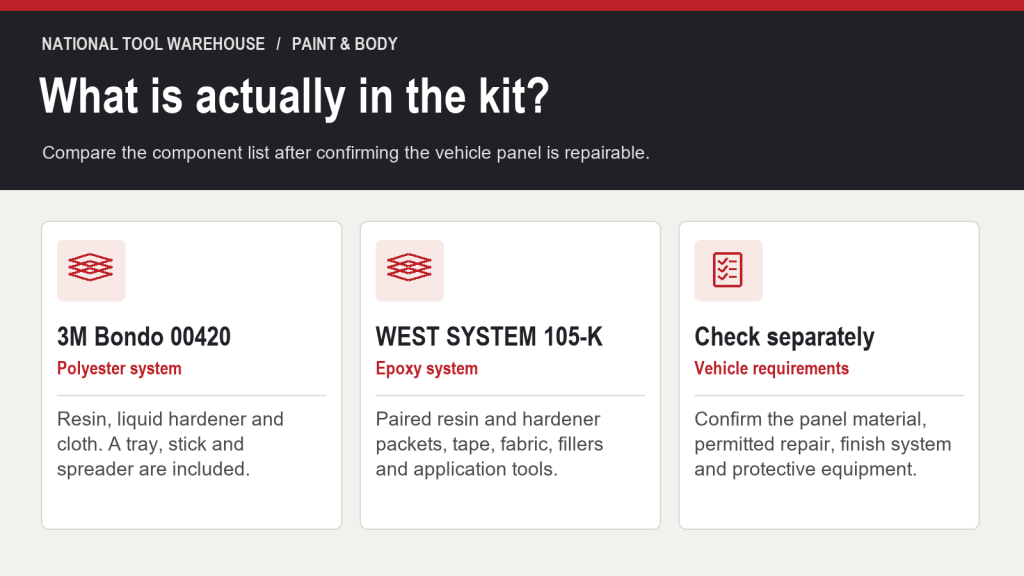
Identify the panel first, then check the resin, hardener, reinforcement and finishing supplies. Two real kit inventories show what a box can leave out.
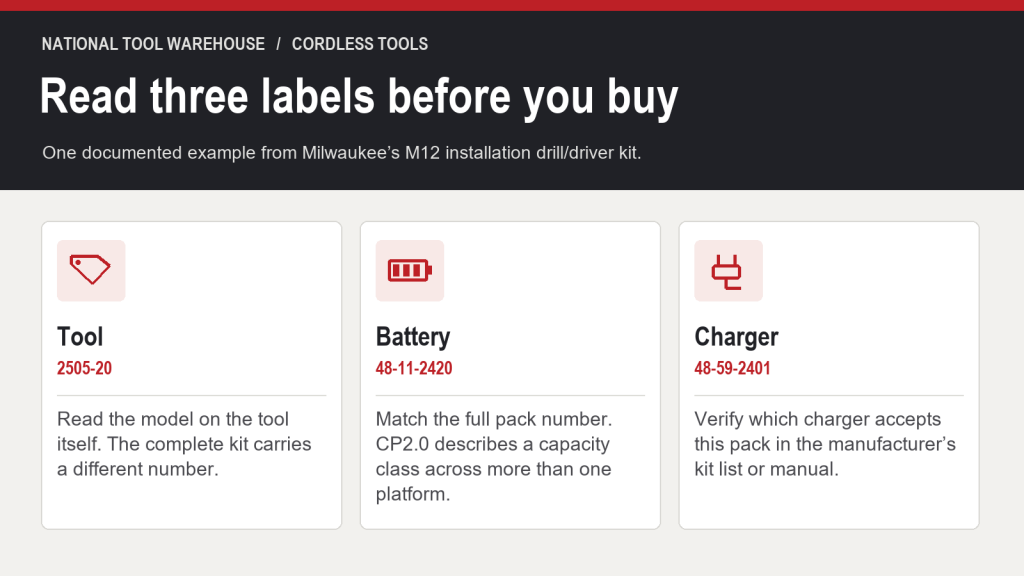
Use the numbers on the tool, battery and charger to verify a replacement. Three manufacturer-documented combinations show what a confirmed match looks like.
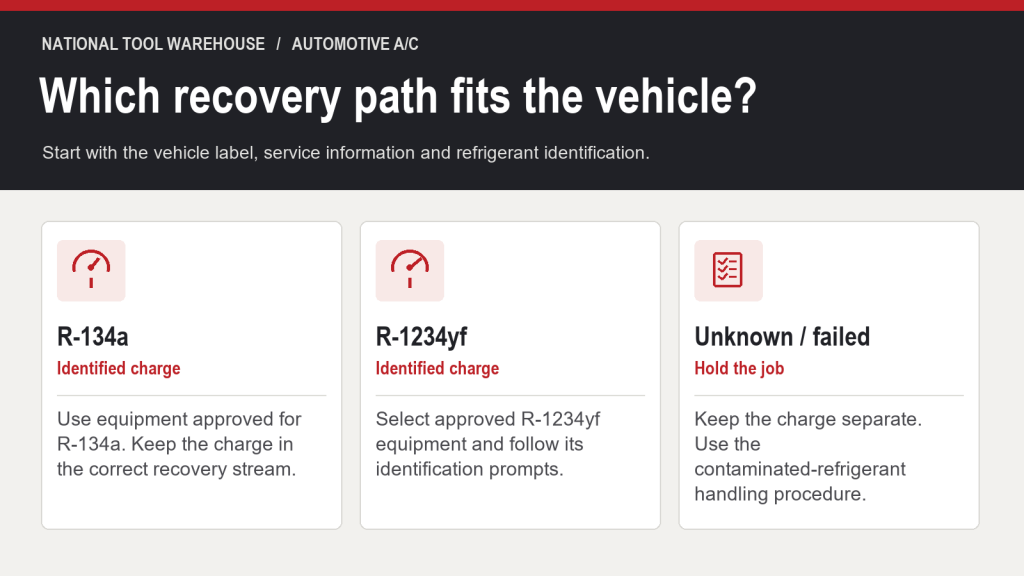
A vehicle label identifies the intended refrigerant. What the technician finds in the system determines which equipment, cylinder and service path to use.
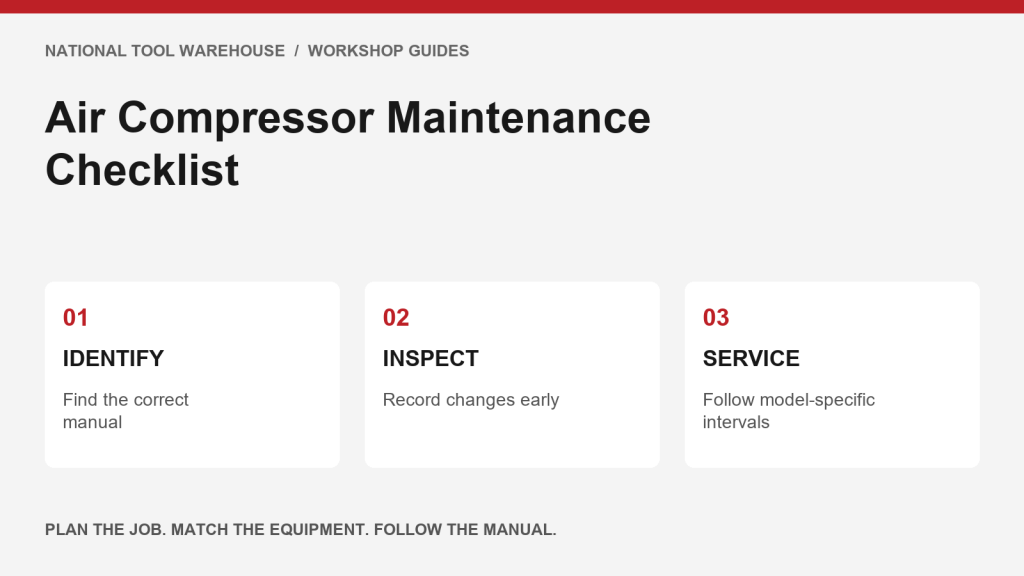
Build an air compressor maintenance checklist around your model: condensate, filters, lubrication, belts, records and the signs that require service.
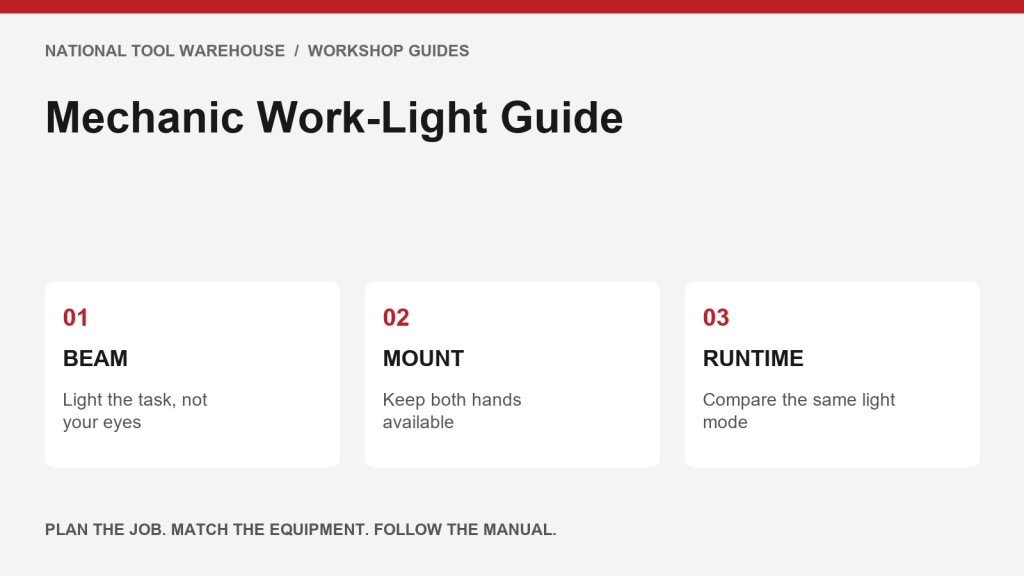
Choose a mechanic work light for engine bays, close inspection and underbody work. Compare beam shape, mounting, color rendering and usable runtime.
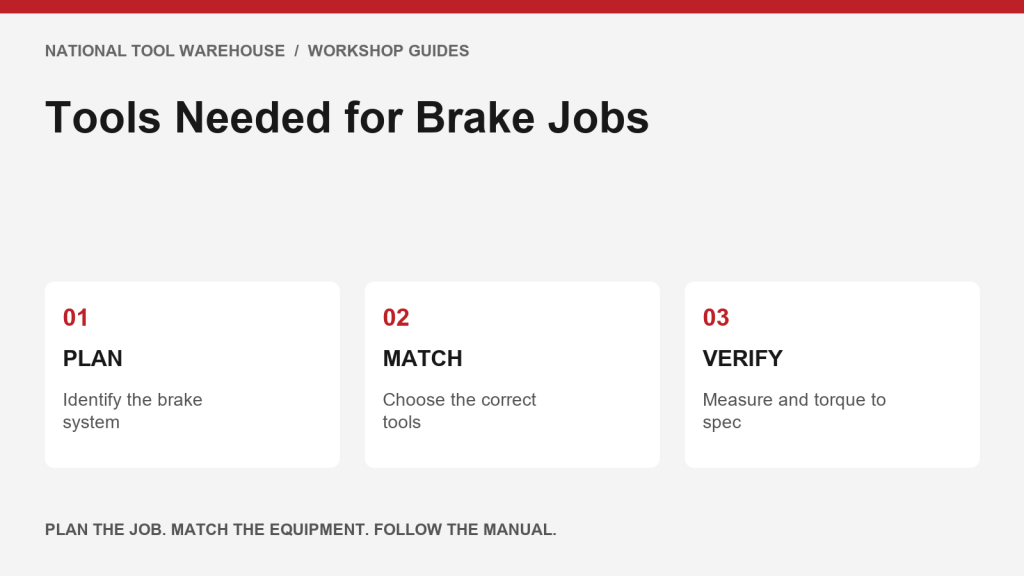
Plan a brake job with the right lifting, piston-reset, measuring and torque tools. Check vehicle requirements before buying a universal brake-tool kit.
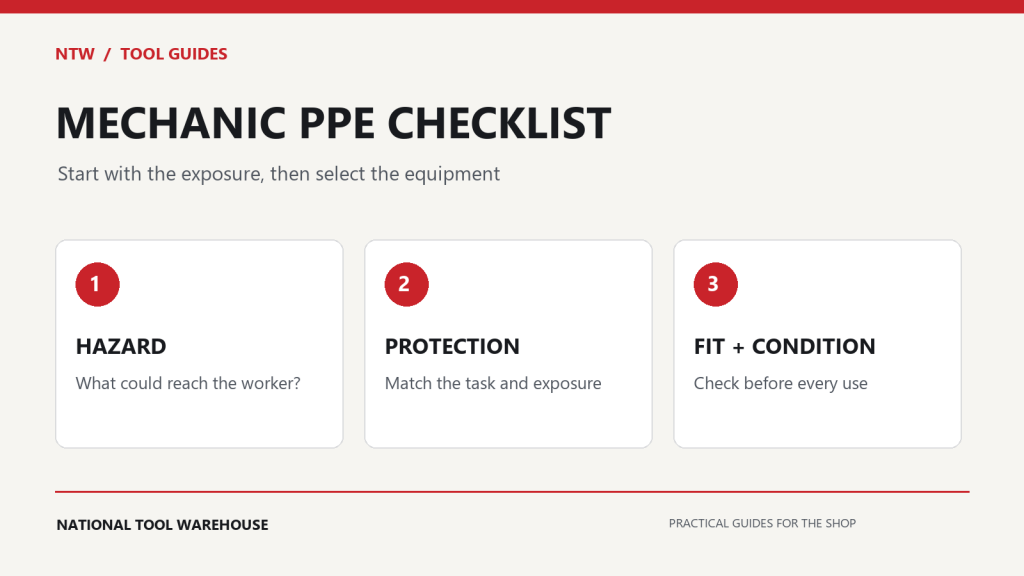
Build a mechanic PPE checklist around the task: eye, face, hand, hearing, respiratory and foot protection. Check fit, compatibility and condition before use.
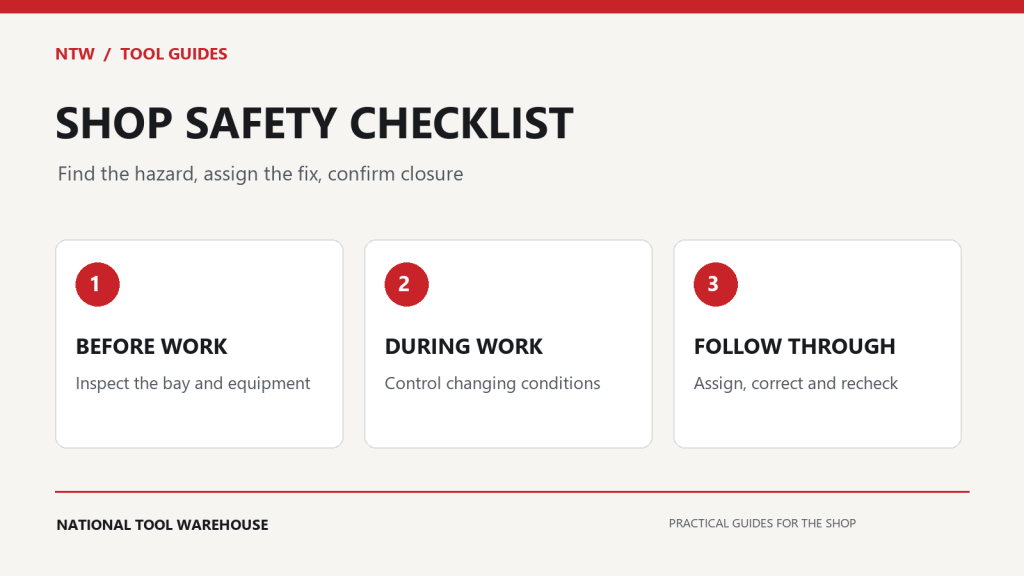
Use this automotive shop safety checklist to review work bays, lifting, chemicals and emergency access. Record an owner and closure evidence for each finding.
Separate DEWALT platform voltage, XR product labels and FLEXVOLT batteries. Check tool, battery and charger compatibility before buying a bare tool or kit.
Understand compressor pressure-switch symptoms, cut-in and cut-out, and unloader or check-valve faults. Build a useful service record before replacing parts.