
What Cordless Drill Is the Best?
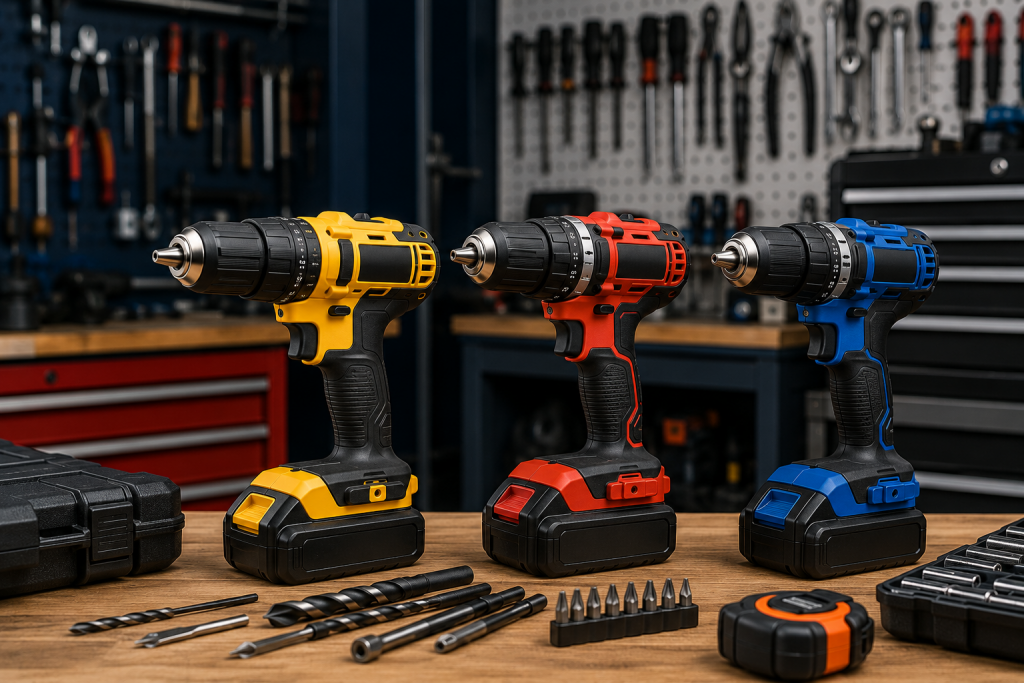
The best cordless drill is the one that matches the work you do most often. A compact 12V drill may be best for light DIY tasks, furniture assembly, and tight spaces, while a higher-powered 18V or 20V drill is usually better for garage work, automotive tasks, shop use, construction, and professional repairs.
A drill purchase can also commit you to a battery system. Our power-tool brand comparison guide covers that wider choice, and our hand-tools checklist covers tools that complement a powered drill.
There is no single cordless drill that is perfect for every user. A homeowner may want something lightweight and easy to control, while a mechanic or technician may need more torque, longer battery life, and a drill that can handle regular use in demanding work areas.
Before choosing a cordless drill, it helps to compare power, battery platform, torque, chuck size, weight, runtime, speed settings, drill type, and how often the tool will be used.
What Cordless Drill Is the Best?
So, what cordless drill is the best? For most users, a compact 18V or 20V cordless drill is the best all-around choice because it offers a strong balance of power, runtime, and versatility.
However, the best drill depends on the job.
For basic home use, a lightweight 12V drill or compact 18V drill is usually enough. These are easy to handle and work well for assembling furniture, hanging shelves, installing hardware, and handling light repairs.
For garage and automotive work, an 18V or 20V cordless drill is usually the better option. These drills provide more power and better battery life for repeated use around vehicles, workbenches, and shop spaces.
For professional use, a brushless 18V or 20V drill from a reliable battery platform is often the best choice. Professionals usually need stronger durability, better runtime, higher torque, and compatibility with other cordless tools.
For tight spaces, a compact drill or right-angle drill may be the better option. These are useful when working inside cabinets, under dashboards, in engine bays, or around awkward fasteners.
For heavy-duty drilling or fastening, a high-torque drill or hammer drill may be needed, depending on the material. Heavy-duty work requires more power, but that does not always mean the largest drill is the best choice for every task.
Cordless Drill Buying Guide: Key Features to Compare
Choosing the best cordless drill becomes easier when you know which features matter most. Instead of buying only by brand or price, compare the drill based on how it will actually be used.
Voltage
Voltage gives you a general idea of the drill’s power class.
A 12V cordless drill is usually smaller, lighter, and easier to control. It is a good option for light-duty jobs, small fasteners, home repairs, and tight spaces.
An 18V or 20V cordless drill is better for general repair work, garage use, automotive tasks, shop work, and professional jobs. These drills usually offer more torque, longer runtime options, and better performance for heavier tasks.
Higher voltage does not automatically mean better for every user. If you mostly do light jobs, a smaller drill may be more comfortable and practical. For many users, an 18V or 20V cordless drill offers the best balance of power, runtime, and versatility.
Torque
Torque measures twisting force. The more torque a drill has, the better it can handle larger fasteners, tougher materials, and heavier drilling tasks.
For light household work, you may not need extremely high torque. For garage, automotive, and shop use, stronger torque becomes more important, especially when drilling into tougher materials or driving larger fasteners.
A clutch setting helps control torque. This prevents the drill from overdriving screws, stripping fasteners, or damaging the material you are working on. If you do a mix of light and heavy tasks, adjustable clutch settings are useful.
Battery Life and Battery Platform
Cordless drill battery life depends on the battery size, tool efficiency, and how hard the drill is working. Battery capacity is often measured in amp-hours, or Ah. A higher amp-hour battery usually runs longer, but it may also add weight to the drill.
Battery platform is just as important as battery size. If you already own cordless tools from a specific brand, choosing a drill that uses the same battery system can save money and make your tool kit more convenient.
For example, if your drill, impact driver, work light, and other cordless tools all use the same battery platform, you can rotate batteries between tools and reduce downtime.
Brushless vs Brushed Motor
Cordless drills usually come with either a brushed or brushless motor.
A brushless cordless drill is generally more efficient. It can offer better runtime, less heat, and longer tool life, especially for users who use their drill often.
A brushed drill may cost less and can still work well for occasional jobs. If you only need a drill for light tasks around the house, a brushed model may be enough. If you use your drill regularly in a garage, shop, or professional environment, a brushless drill is usually the better long-term choice.
Chuck Size
The chuck holds the drill bit or driver bit. Many common cordless drills use either a 3/8-inch or 1/2-inch chuck.
A 3/8-inch chuck is common on smaller, lighter drills and works well for many light-duty tasks.
A 1/2-inch chuck is usually better for larger bits, heavier drilling, and more demanding work. If you want a more versatile drill for garage or shop use, a 1/2-inch chuck is often the better choice.
Keyless chucks are also helpful because they allow faster bit changes without a separate chuck key.
Speed Settings
Speed settings help control how the drill performs.
Lower speeds are useful for driving screws, starting holes, and working with more control. Higher speeds are better for drilling. Variable speed triggers allow you to adjust speed based on how hard you press the trigger.
A two-speed drill is useful for most users because it gives you more control across different tasks.
Weight and Grip
A cordless drill should feel comfortable in your hand. A lighter drill is easier to use overhead, in tight spaces, or for long periods. A heavier drill may offer more power, but it can cause fatigue during repeated use.
Grip comfort matters, especially for technicians, mechanics, and shop users who may use the drill throughout the day. A drill that feels balanced and easy to control is often more useful than one that only looks powerful on paper.
Built-In Light
A built-in LED light is a small feature that can make a big difference. It helps when working in dim areas, such as engine bays, cabinets, under dashboards, closets, crawl spaces, and shop corners.
For automotive and technician use, an LED light is especially helpful because many jobs happen in tight or poorly lit spaces.
12V vs 18V vs 20V Cordless Drills
One of the most common questions buyers ask is whether they need a 12V, 18V, or 20V cordless drill. The answer depends on the type of work you do.
12V Cordless Drills
A 12V cordless drill is best for light-duty work. These drills are compact, easy to carry, and simple to control.
They are useful for:
- Light DIY work
- Small fasteners
- Furniture assembly
- Interior work
- Tight spaces
- Occasional garage use
- Light household repairs
A 12V drill is a good choice if you want something small and easy to handle. It may not be the best option for heavy drilling, large fasteners, or frequent shop use.
18V and 20V Cordless Drills
An 18V or 20V cordless drill is better for users who need more power and runtime. These drills are common in garages, shops, construction environments, and professional tool kits.
They are useful for:
- General repair work
- Automotive tasks
- Shop use
- Drilling into wood, plastic, and light metal
- More frequent use
- Larger fasteners
- General DIY and professional jobs
For many people, this is the best category to choose from because it offers a strong mix of power and versatility.
Which One Should You Choose?
If you only need a drill for occasional light jobs, a 12V drill may be enough. If you want one drill that can handle a wider range of garage, shop, and repair work, an 18V or 20V cordless drill is usually the better choice.
If you are building a cordless tool kit, also think about the battery platform. Choosing the right battery system can make it easier to add more cordless tools later.
Drill Driver vs Impact Driver: What’s the Difference?
A drill driver and an impact driver may look similar, but they are designed for different jobs. Understanding the difference can help you choose the right tool.
Drill Driver
A drill driver is the most versatile first choice for most users. It is designed for drilling holes and driving fasteners.
A drill driver:
- Drills holes
- Drives screws
- Uses a chuck for drill bits and driver bits
- Offers better control for precision drilling
- Works well as a first cordless tool
If you are buying your first cordless tool, a drill driver is usually the better starting point because it can handle a wider range of tasks.
Impact Driver
An impact driver is designed mainly for driving fasteners. It delivers rotational impacts that help drive screws, bolts, and fasteners with more force.
An impact driver:
- Drives fasteners quickly
- Works well for repetitive fastening
- Provides strong driving force
- Is useful for screws, bolts, and hardware
- Is not always ideal for precision drilling
Impact drivers are helpful when you do a lot of fastening work, but they are usually not as versatile as a drill driver for drilling holes.
Which Is Better?
For most users, a cordless drill driver should be the first purchase because it can drill holes and drive fasteners. An impact driver is a great second tool if you do frequent fastening work.
Many homeowners, mechanics, and professionals eventually keep both tools in their kit.
Best Cordless Drill for Different Uses
The best cordless drill depends on where and how it will be used.
Best Cordless Drill for Home Use
For home use, the best cordless drill should be lightweight, easy to control, and simple to operate. A 12V drill or compact 18V drill is usually enough for common household jobs.
Look for:
- Lightweight design
- Easy controls
- 12V or compact 18V power
- Keyless chuck
- Good battery life
- Basic clutch settings
This type of drill is ideal for assembling furniture, hanging pictures, installing shelves, tightening hardware, and handling small repairs.
Best Cordless Drill for Garage Use
For garage use, an 18V or 20V cordless drill is usually the better option. Garage jobs often require more power and better runtime than basic household tasks.
Look for:
- 18V or 20V platform
- Good torque
- Durable build
- LED light
- Comfortable grip
- Multiple speed settings
A good garage drill should handle drilling, fastening, light automotive work, and general maintenance around the workspace.
Best Cordless Drill for Mechanics
Mechanics usually need a drill that is compact, powerful, and easy to use in tight spaces. A compact 18V or 20V brushless drill is often a strong choice.
Look for:
- Compact body
- Strong torque
- Good battery platform
- Brushless motor
- LED light
- Compatibility with other cordless tools
Common mechanic uses include working around interior panels, brackets, light drilling, fastener removal or installation, engine bay jobs, and under-dash work.
Best Cordless Drill for Professional Use
Professional users need a drill that can handle frequent use. A brushless 18V or 20V drill is usually the best option for daily work.
Look for:
- Brushless motor
- Higher torque
- Long battery life
- Durable housing
- Multiple batteries
- Fast charger
- Strong warranty or brand support
A professional cordless drill should be reliable, comfortable, and part of a strong battery platform.
Best Cordless Drill for Tight Spaces
For tight spaces, size and shape matter more than maximum power. A compact drill, right-angle drill, or short-head drill may be the best choice.
Look for:
- Compact design
- Right-angle option
- Short head length
- Lightweight body
- LED light
These drills are useful in cabinets, under dashboards, between framing, inside equipment, and around cramped work areas.
What Size Cordless Drill Do You Need?
Cordless drill size includes both power and chuck size. A bigger drill is not always better if the job requires control, precision, or access to tight spaces.
For light-duty household jobs, a 12V compact drill is usually enough.
For general DIY and garage work, an 18V or 20V drill is a better all-around option.
For automotive and shop use, a compact 18V or 20V brushless drill is usually a strong choice.
For heavy-duty drilling, a high-torque drill or hammer drill may be needed, depending on the material.
For tight-space work, choose a compact drill or right-angle drill.
The best size depends on what you do most. If you need one drill for a wide range of jobs, choose a model with enough power for heavier tasks but still compact enough to use comfortably.
Common Cordless Drill Mistakes to Avoid
Buying the wrong cordless drill can lead to frustration, poor performance, or wasted money. Avoid these common mistakes when choosing a drill.
Do not buy based only on price. A cheaper drill may work for light use, but it may not hold up to frequent garage or shop work.
Do not choose too much drill for light tasks. A heavy, high-torque drill may be harder to control for simple household jobs.
Do not choose too little power for shop work. A small drill may struggle with larger fasteners, tougher materials, or repeated use.
Do not ignore the battery platform. If you plan to buy more cordless tools, battery compatibility matters.
Do not forget to check chuck size. A 1/2-inch chuck gives more flexibility for larger bits and heavier work.
Do not use the wrong bit. The right drill bit or driver bit improves performance and reduces damage.
Do not overdrive screws. Use the clutch setting to help control torque.
Do not forget to charge and rotate batteries. Keeping batteries ready prevents downtime during a job.
Do not use a drill where an impact driver would be better. For repetitive fastening, an impact driver may save time.
Do not use an impact driver where precision drilling is needed. A drill driver gives better control for drilling holes.
Cordless Drill Accessories to Consider
The right accessories can make a cordless drill more useful. When building a tool kit, consider adding:
- Drill bit sets
- Driver bit sets
- Nut drivers
- Magnetic bit holders
- Extension adapters
- Right-angle adapters
- Extra batteries
- Fast chargers
- Carrying cases
- Tool bags
- Safety glasses
- Work lights
Drill bits and driver bits are essential for everyday use. Extra batteries and fast chargers are useful for longer jobs or professional work. Tool bags and storage help keep everything organized, especially if you move between jobs or work areas.
Safety glasses are also important when drilling, driving fasteners, or working around metal, wood, plastic, or debris.
How to Choose the Best Cordless Drill for Your Tool Kit
The best cordless drill should fit your work, your battery platform, and your budget while giving you enough power and runtime for the jobs you actually do.
Before buying, ask yourself:
- What jobs will I use it for most?
- Do I need light-duty or heavy-duty power?
- Will I use it every day or only occasionally?
- Do I already own batteries from a certain brand?
- Do I need a compact drill for tight spaces?
- Do I also need an impact driver?
- Do I need extra batteries or a charger?
- Will this be part of a larger cordless tool system?
For most users, a compact 18V or 20V drill is the best all-around choice. It offers enough power for garage, shop, and DIY use without being too limited for heavier tasks. For light household work, a 12V drill may be more comfortable. For professionals, a brushless 18V or 20V model with strong battery support is usually the better long-term investment.
FAQs
What cordless drill is the best for most people?
For most users, a compact 18V or 20V cordless drill is the best all-around choice because it offers a strong balance of power, runtime, and versatility.
Is a 12V cordless drill enough?
A 12V cordless drill can be enough for light household tasks, furniture assembly, small fasteners, and tight spaces. For heavier garage, shop, or professional work, an 18V or 20V drill is usually better.
Is a brushless cordless drill better?
A brushless cordless drill is usually more efficient than a brushed drill. It can offer better runtime, less heat, and longer tool life, especially for frequent users.
What is better, a drill driver or impact driver?
A drill driver is better for drilling holes and general fastening, while an impact driver is better for driving screws and fasteners with more force. Many users benefit from having both.
What cordless drill is best for mechanics?
Mechanics usually benefit from a compact 18V or 20V cordless drill with strong torque, good battery life, an LED light, and a brushless motor.
What should I look for when buying a cordless drill?
Look for voltage, torque, battery life, chuck size, speed settings, weight, grip comfort, motor type, charger options, and battery compatibility with other tools.
Build the Right Cordless Tool Setup
The best cordless drill is not always the biggest, most expensive, or most powerful model. It is the drill that fits your work. For home use, that may mean a compact 12V drill. For garage and automotive tasks, an 18V or 20V drill is often the better choice. For professional use, a brushless drill with strong battery support can deliver better performance over time.
Browse electric and cordless tools at National Tool Warehouse, including cordless drills, batteries, chargers, drill bits, driver bits, and shop accessories for DIY garages and professional workspaces.